Peloton Physiotherapy Community Blog
Your guide to movement, recovery, and wellness in London and beyond.
Welcome to Our Community
Welcome to the Peloton Physiotherapy blog, a space dedicated to sharing practical wellness advice, local health insights, and stories from across London and the Southeast. Whether you're recovering from an injury, looking to improve your mobility, or simply curious about maintaining a healthy lifestyle, we're here to share knowledge and experiences that matter to our community.
Our focus is on accessible, evidence-based guidance that fits into everyday life. From understanding common musculoskeletal issues to exploring how the built environment of our cities affects movement and posture, we aim to make physiotherapy and wellness approachable for everyone.
Understanding Movement in Urban Spaces
Living in London presents unique challenges for maintaining physical health. Long commutes, sedentary office work, and navigating crowded public transport can all take a toll on posture and joint health. Many residents spend hours each day sitting on the Tube or at desks, leading to common complaints like lower back pain, tight hip flexors, and neck strain.
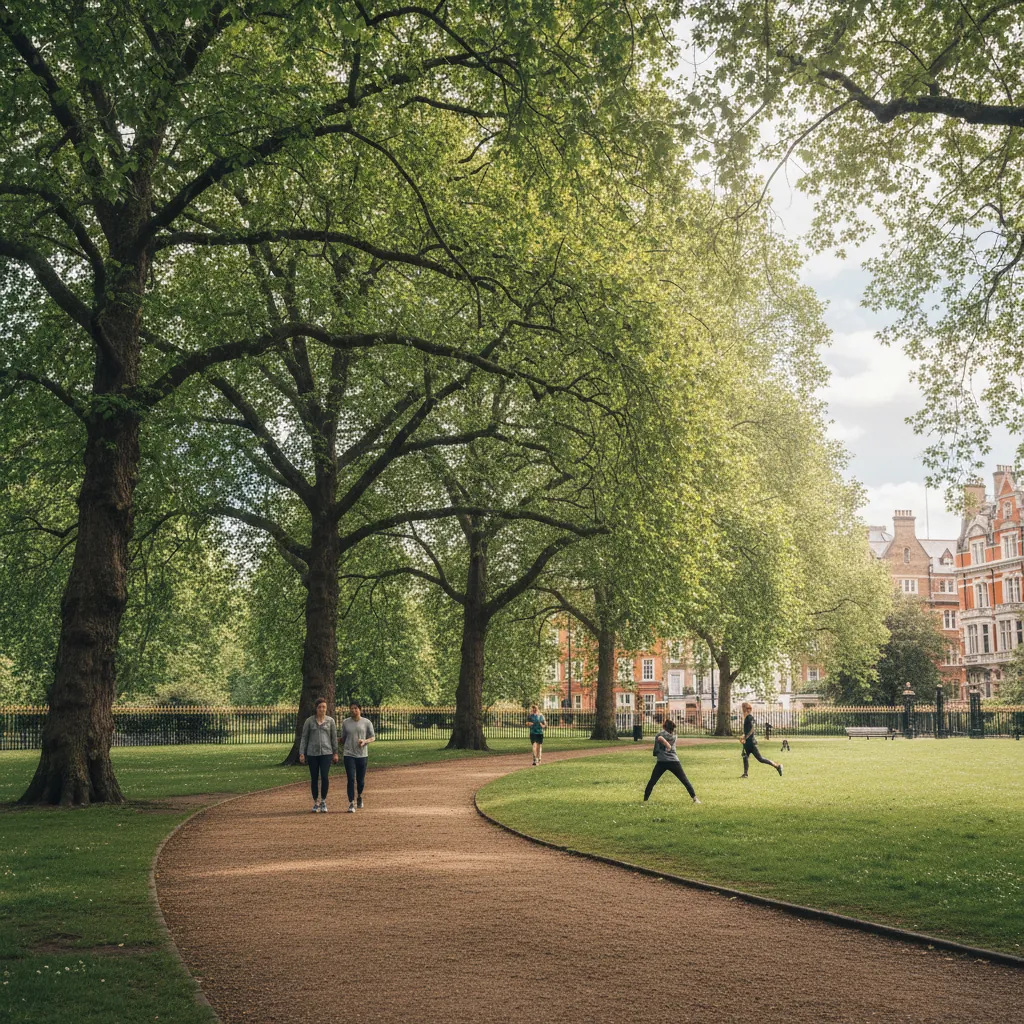
The good news is that small adjustments can make a significant difference. Simple stretches during your commute, taking the stairs at stations like King's Cross or Waterloo, and being mindful of your sitting posture can help counteract the effects of urban life. Even a brief walk through parks like Greenwich or Hampstead Heath offers opportunities to reset your body and mind.
Common Injuries and Recovery Approaches
Physiotherapy addresses a wide range of conditions, from sports injuries to chronic pain. Some of the most frequent issues we see include runner's knee, rotator cuff strains, and plantar fasciitis. Each condition requires a tailored approach, combining manual therapy, targeted exercises, and lifestyle modifications.
Recovery is rarely linear. Patience and consistency matter more than rushing through rehabilitation. For example, someone recovering from an ankle sprain might start with gentle range-of-motion exercises before progressing to balance work and eventually sport-specific drills. Understanding this progression helps set realistic expectations and prevents setbacks.
- Start with controlled, pain-free movements
- Progress gradually based on tolerance, not timelines
- Address underlying factors like muscle imbalances or poor footwear
- Maintain open communication with your healthcare provider
Wellness Beyond the Clinic
True wellness extends beyond treating injuries. It encompasses sleep quality, stress management, nutrition, and social connection. Research consistently shows that physical health and mental wellbeing are deeply interconnected. Chronic stress, for instance, can manifest as muscle tension, headaches, and reduced immune function.
Incorporating mindful movement practices like yoga or tai chi can complement traditional physiotherapy. These disciplines emphasise breath, balance, and body awareness, helping people reconnect with how they move through the world. Even something as simple as a regular walking routine through your local neighbourhood can provide both physical and psychological benefits.
Local Resources and Community Spaces
The Southeast of England offers numerous public spaces that support active lifestyles. Community centres across boroughs like Lewisham, Bromley, and Greenwich often host exercise classes suitable for various fitness levels. Many local councils also maintain outdoor gym equipment in parks, providing free access to strength training and cardiovascular exercise.
Libraries and community hubs sometimes offer health and wellness workshops, covering topics from managing arthritis to staying active in later life. These sessions create opportunities for learning and social connection, both of which contribute to overall wellbeing. Checking your local council website can reveal resources you might not have known existed.
Seasonal Considerations for Movement
The British climate influences how we move throughout the year. Colder months often see an increase in slips on icy pavements and seasonal stiffness as people become less active indoors. Warming up properly before outdoor activities becomes essential, as cold muscles are more prone to strains.
Conversely, summer presents opportunities to vary your movement routine. Outdoor swimming in lidos, cycling along canal paths, or joining park-based fitness groups can add variety and motivation. Seasonal shifts remind us to adapt our approach to physical activity rather than maintaining the same routine year-round regardless of conditions.
Incorporating movement into daily life doesn't require gym memberships or expensive equipment. Small, consistent habits often yield better long-term results than sporadic intense efforts. Consider setting reminders to stand and stretch every hour if you work at a desk. Use waiting time at stations or in queues to practice balance or calf raises.
Household tasks like gardening, cleaning, and carrying shopping bags all contribute to functional strength. Being mindful of your body mechanics during these activities, such as bending your knees when lifting or switching hands when carrying bags, can prevent unnecessary strain while maintaining daily activity levels.
Looking Ahead
The field of physiotherapy continues to evolve with emerging research on pain science, movement patterns, and holistic health approaches. What remains constant is the importance of listening to your body, seeking guidance when needed, and viewing health as a lifelong practice rather than a destination.
We hope this blog serves as a useful resource for anyone interested in movement, recovery, and community wellness. Physical health is personal, but sharing knowledge and experiences helps us all move more confidently through our daily lives.
Contact
- Community Health Hub, 47 Station Road, Greenwich, London SE10 9JA
- 020 7946 0823
- [email protected]